

PRK Surgery · Draper, Utah
Laser vision correction. No corneal flap required.
PRK (photorefractive keratectomy) reshapes the cornea to correct nearsightedness, farsightedness, and astigmatism, without creating a flap. It's often a great option for patients with thin or irregularly shaped corneas who may not be ideal candidates for LASIK.
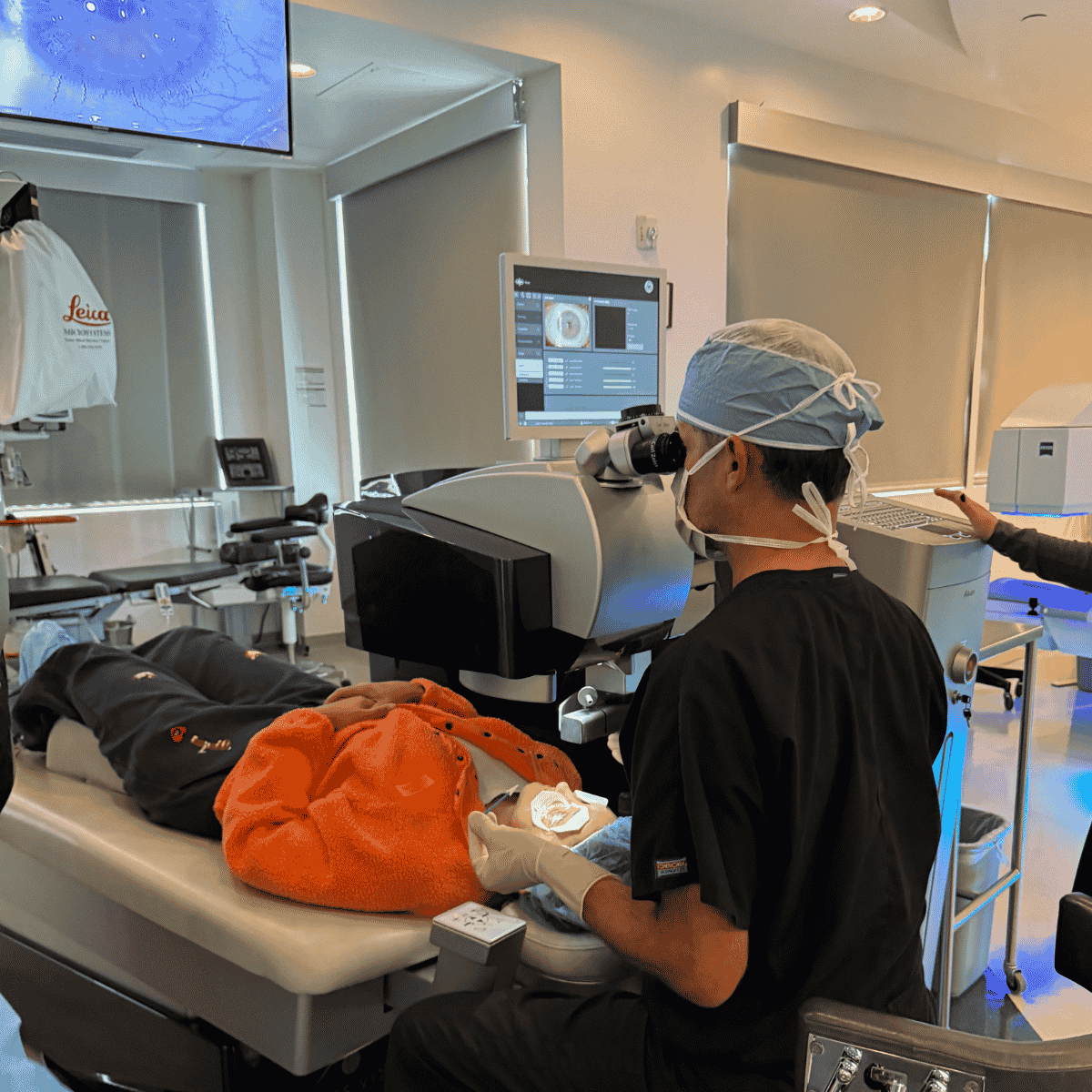
- 1st Laser refractive procedure approved by the FDA
- No flap The outer layer of the cornea heals naturally
- Same day Go home the day of your procedure
What Is PRK?
A proven way to see more clearly
During PRK, your surgeon gently removes the cornea's thin outer layer, then uses a precise laser to reshape the cornea. The outer layer heals naturally over the following days, improving your vision with less dependence on glasses and contacts.
Treats common vision problems
PRK corrects nearsightedness, farsightedness, and astigmatism.
No corneal flap
Instead of creating a flap, the surgeon treats the surface of the cornea, which then heals on its own.
Often a fit when LASIK isn't
PRK is a great alternative for many patients with thin corneas or other corneal irregularities.
PRK vs. LASIK
Two effective options. One key difference.
Both PRK and LASIK use a laser to reshape the cornea. The difference is how the surgeon prepares the cornea first.
| PRK | LASIK | |
|---|---|---|
| Preparing the cornea | The thin outer layer is gently removed | A thin flap is created in the cornea |
| Corneal flap | No flap | Flap is replaced after the laser treatment |
| Healing | The outer layer regrows naturally | The cornea heals around the flap |
| Recovery | Longer; vision improves over days to weeks | Shorter; most notice improvement within 24 hours |
| Often a fit for | Thin corneas or corneal irregularities | Most patients with healthy, thicker corneas |
Not sure which is right for you? Your consultation includes detailed corneal measurements, and your surgeon will recommend the best option for your eyes.
What to Expect
Your PRK journey, step by step
-
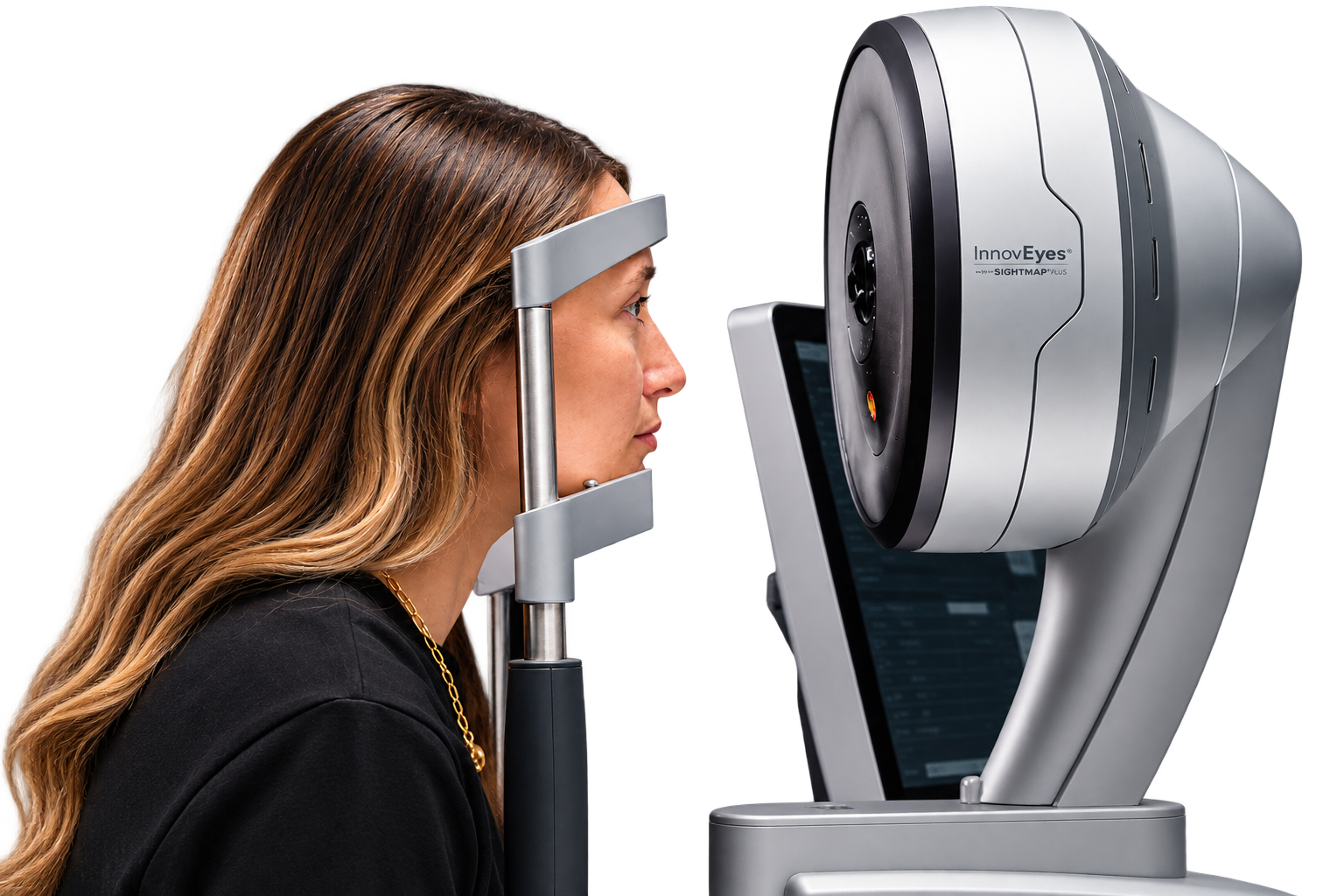
Consultation
You'll meet with one of our experienced surgeons for a thorough examination and a conversation about your goals and expectations.
-
Procedure day
Numbing drops keep you comfortable while your surgeon uses a laser to reshape your cornea. The procedure typically takes around 15 minutes per eye, and you'll go home the same day.
-
Healing
The cornea's outer layer heals naturally. Most patients notice significantly improved vision within a few days, and vision continues to sharpen over the following weeks.
-
Follow-up care
Our team works with you throughout your recovery to help it go smoothly.
Why Choose Hoopes Vision
Experience you can count on.
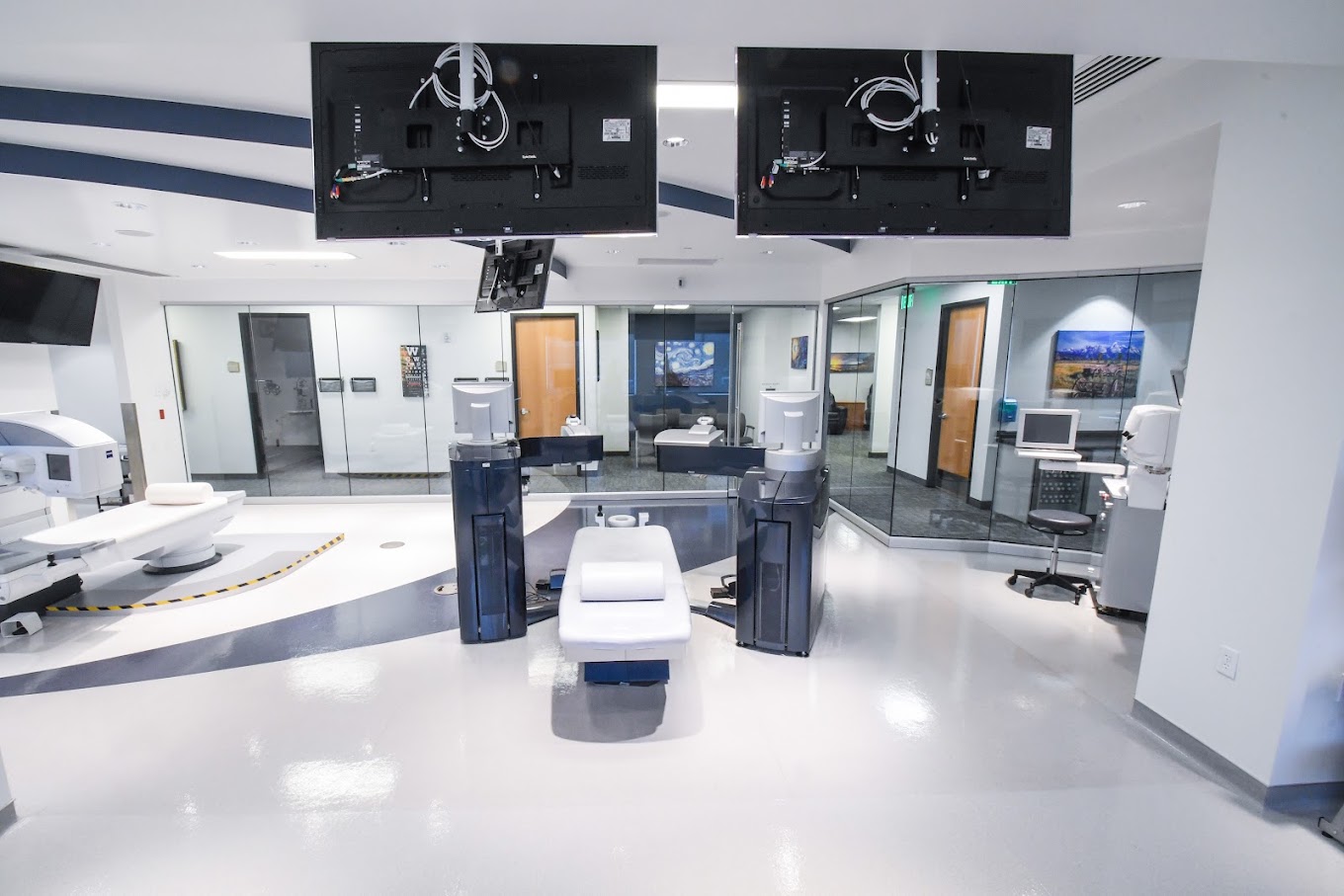
Our team of experienced surgeons has performed thousands of PRK procedures. We combine advanced laser technology with a strong focus on safety protocols and patient comfort.
- Experienced surgeons who have performed thousands of PRK procedures
- Advanced laser technology in our Draper laser suite
- Strict safety protocols and a focus on your comfort
- Personalized recommendations based on detailed corneal measurements
Frequently Asked Questions
PRK questions, answered
What is PRK?
PRK (photorefractive keratectomy) is a type of laser vision correction that reshapes the cornea to correct nearsightedness, farsightedness, and astigmatism. It was the first laser refractive procedure approved by the FDA.
How is PRK different from LASIK?
Both procedures use a laser to reshape the cornea. In LASIK, the surgeon creates a thin flap in the cornea first. In PRK, the cornea's thin outer layer is removed instead, and it grows back naturally. LASIK has a shorter recovery, while PRK is often a better option for patients with thin corneas or other corneal irregularities.
Does PRK hurt?
Numbing drops are used during the procedure, so most patients feel little more than pressure. Because the cornea's outer layer needs time to heal, some discomfort in the first few days is common. Your surgeon will explain how to stay comfortable during recovery.
How long is PRK recovery?
Most patients notice significantly improved vision within a few days. Vision continues to improve over the following weeks as the cornea heals. Recovery after PRK takes longer than after LASIK.
Am I a candidate for PRK?
The best way to know is a consultation and exam. Candidacy depends on your prescription, the thickness and shape of your corneas, and your overall eye health. PRK is often recommended for patients who aren't ideal LASIK candidates.
Real Patient Stories
Hear from our patients
My experience with Hoopes Vision was incredible. The doctors took a genuine interest in my situation and made sure that I received an exact diagnosis of which laser they needed to use on my eyes.
 Jackson EmeryFormer BYU Basketball Star
What was most impressive to me was that everyone at Hoopes Vision took an interest in me as a patient.
 Tony ToscanoMovie Critic & Film Historian
INCREDIBLE! That is all I can say about my LASIK procedure! Hoopes Vision is the most organized and personable group of professionals I have ever had the pleasure of working with!
 Michael WigginSoftware QA Engineer
Take the First Step
Find out if PRK is right for you
Our team is here to answer your questions and help you make an informed decision. It starts with a free consultation.