

Cornea Transplant · Draper, Utah
Regain your vision and quality of life.
Our compassionate team of skilled surgeons and cornea specialists uses advanced technology and techniques to provide personalized care for corneal damage or disease, helping you regain your vision and enjoy a better quality of life.
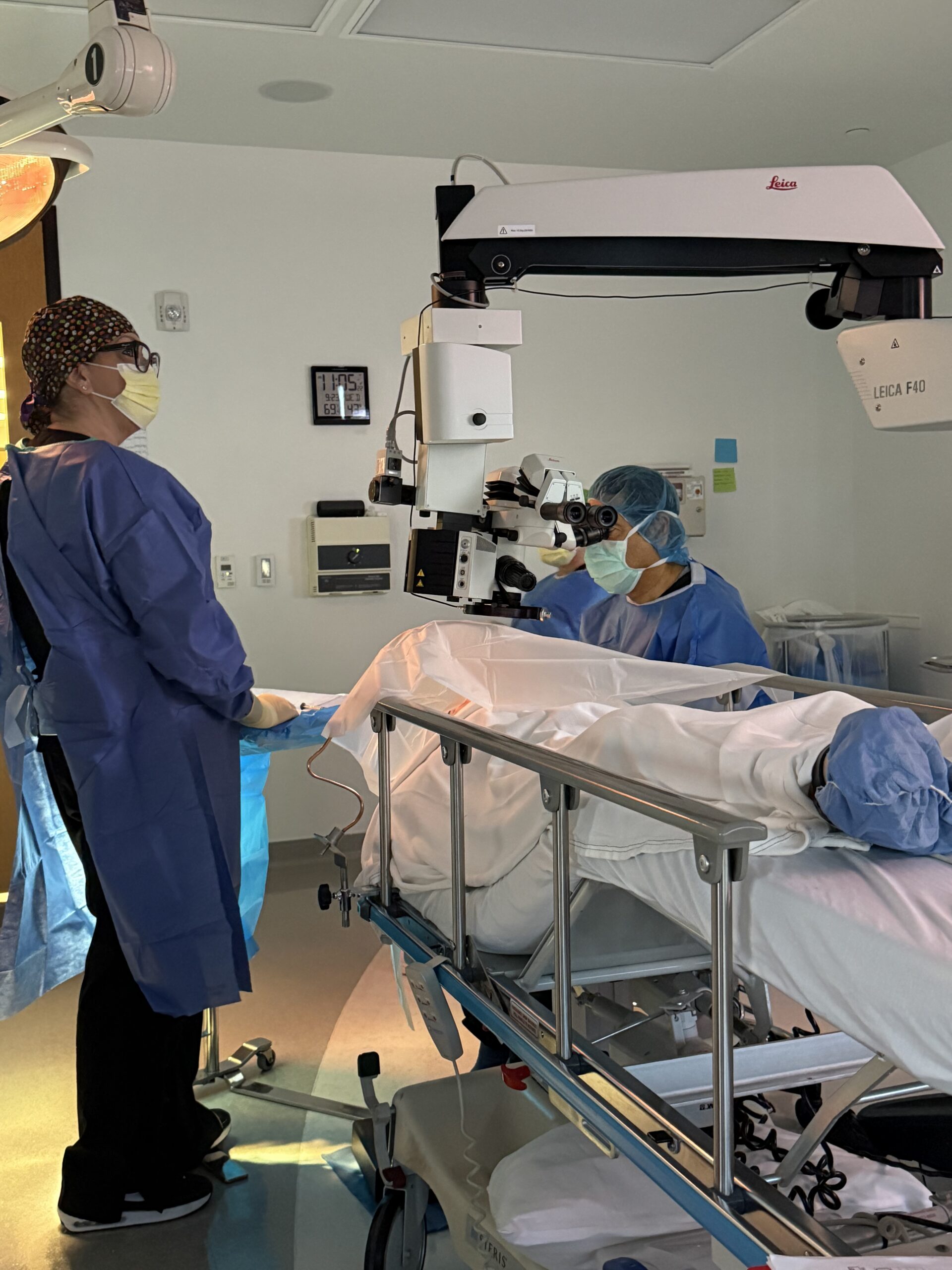
- Under 1 hour Typical surgery time
- 2–3 weeks Most patients return to non-physical work
- Up to 1 year Vision continues to improve
What Is a Cornea Transplant?
Restoring a clear window to the world.
Cornea transplant surgery, often called keratoplasty or a corneal graft, is for patients with severe damage to all or part of their cornea. Your surgeon replaces the damaged tissue with healthy donor cornea.
Improve sight
Replacing cloudy or damaged corneal tissue can help restore clearer vision.
Relieve pain
A transplant can ease pain caused by a damaged or diseased cornea.
Treat infection or damage
Surgery can treat severe corneal infection or damage that other treatments can't resolve.
Types of Cornea Transplant
The right approach for your eyes.
Our surgeons are experienced in several types of cornea transplant surgery. During your consultation, we'll work with you to determine which surgery best suits your needs.
Traditional penetrating keratoplasty
A full-thickness transplant. Your surgeon removes a circular piece of the damaged cornea and replaces it with donor tissue.
Newer, minimally invasive procedures
Partial-thickness transplants that replace only the damaged layers of the cornea, when that's the right fit for your eyes.
For some patients with keratoconus, treatments such as Intacs or corneal cross-linking may help delay the need for a transplant.
What to Expect
Your transplant journey, step by step
Recovery at a glance
- Surgery time
- Usually under an hour
- Non-physical work
- About 2–3 weeks
- Manual labor
- About 3–4 months
- Stitches
- Often 12+ months
- Vision
- Improves for up to a year
-
Consultation
We'll evaluate your eyes, answer your questions, and create a personalized treatment plan, including which type of transplant best suits your needs.
-
Surgery day
Your surgeon uses a circular instrument called a trephine to remove the damaged cornea, then replaces it with donor cornea. Surgery usually takes less than an hour. When the outer cornea is transplanted, it's held in place with stitches that usually stay in for more than 12 months.
-
Returning to work
Most patients return to work two to three weeks after surgery if their job doesn't require physical strain. If your job involves manual labor, plan on about three to four months.
-
Your vision over time
Your vision will continue to improve for up to a year. You'll need glasses or contact lenses afterward, because the transplanted cornea's curve can't exactly match your natural cornea.

Why Choose Hoopes Vision
Personalized care, start to finish.
We understand that every patient's needs are unique. We'll work with you to create a personalized treatment plan and support you through every step of your recovery.
- Skilled surgeons and cornea specialists experienced in several transplant techniques
- Advanced technology and modern surgical techniques
- A personalized treatment plan built around your eyes
- Ongoing follow-up care as your vision improves
Frequently Asked Questions
Cornea transplant questions, answered
Who needs a cornea transplant?
Cornea transplant surgery is for patients with severe damage to all or part of their cornea. It can improve sight, relieve pain, and treat severe infection or damage.
How long does the surgery take?
Cornea transplant surgery usually takes less than an hour.
When can I go back to work?
Most patients return to work two to three weeks after surgery if their job doesn't require physical strain. If your job requires manual labor, you can usually return three to four months after surgery.
Will I need glasses or contacts afterward?
Yes. Because the transplanted cornea's curve can't exactly match your natural cornea, you'll need glasses or contact lenses after surgery. Your vision will continue to improve for up to a year.
How long do the stitches stay in?
When the outer cornea is transplanted, the new tissue is held in place with stitches that usually stay in for more than 12 months. Your surgeon will monitor your healing at follow-up visits.
Take the First Step
Don't let corneal damage hold you back
If you'd like to learn more about cornea transplant surgery, schedule a consultation with our team. We're here to answer your questions and help you make the best decision for your vision health.