

Corneal Cross-Linking · Draper, Utah
Stabilize keratoconus with Epioxa® cross‑linking.
Keratoconus is progressive, but treatment doesn't have to feel intimidating. Hoopes Vision offers Epioxa® Cross-Linking, an FDA-approved, epithelium-on option designed to strengthen the cornea and help halt progression in eligible patients aged 13 and older.
- FDA Approved for keratoconus
- Epi-on No removal of the corneal surface layer
- Ages 13+ For eligible adults and teens
- In-office Plan for about an hour in the clinic
What Is Epioxa® Cross-Linking?
Reinforcing the cornea from within.
Epioxa is a modern cross-linking approach designed to help stabilize keratoconus by reinforcing the cornea. Unlike traditional epi-off cross-linking, Epioxa is epithelium-on (epi-on), so it doesn't require removing the cornea's surface layer.
It's a photoactivated treatment: specially formulated drops and controlled light work together, in the presence of oxygen, to help strengthen the cornea.
Photoenhancer drops
Epioxa HD and Epioxa are riboflavin (vitamin B2) eye drops used during treatment.
Controlled ultraviolet light
The light activates the drops to help reinforce collagen bonds in the cornea.
Oxygen enrichment
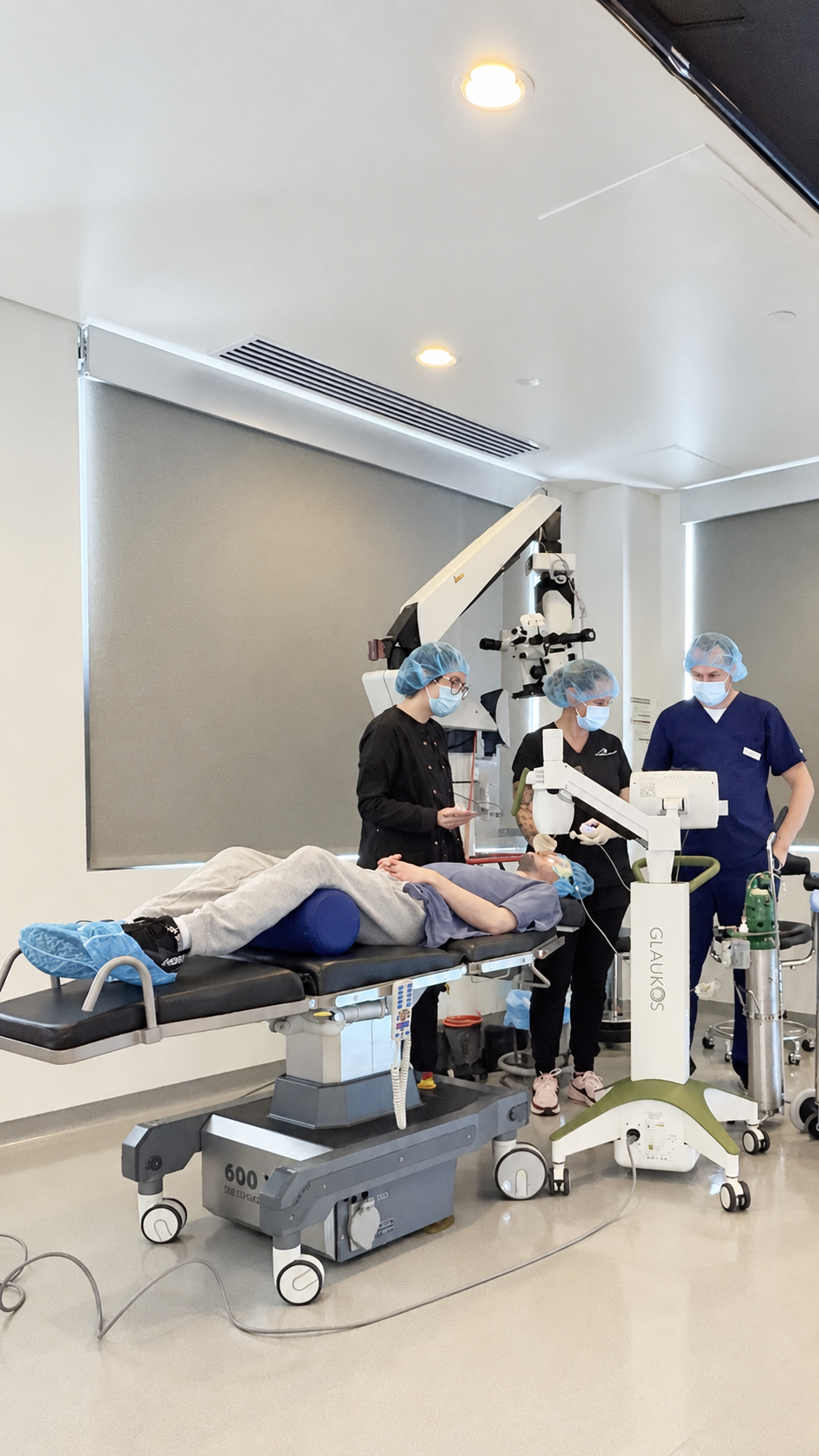
Treatment is performed with the O2n System and Boost Goggles, which deliver oxygen during the procedure.
Who May Be a Candidate?
Protecting your vision for the long term.
Eligibility
Epioxa is FDA-approved for keratoconus in eligible adults and pediatric patients aged 13 and older. Your Hoopes Vision surgeon will determine candidacy based on your diagnosis and corneal measurements.
What to expect for your vision
The goal is often to help stop progression so your vision stays more stable over time. Some patients may still need glasses or contact lenses after treatment.
Cross-linking may be one part of your keratoconus care. Depending on your eyes, your surgeon may also discuss Intacs or, for advanced cases, a cornea transplant.
The Epioxa® Process
Your treatment, step by step
Treatment at a glance
- Where
- Usually in-office
- Comfort
- Numbing drops
- Time in clinic
- About an hour
- Eligible ages
- 13 and older
- Results
- Stability over months
-
Consultation and testing
We confirm your diagnosis, map your cornea with imaging, review your medical history, and discuss whether Epioxa is a good fit. If you wear rigid gas permeable or scleral lenses, we'll talk about any contact lens break needed to get accurate measurements.
-
Treatment day
In most cases, Epioxa is performed in-office. You'll receive numbing drops, your eyes are prepped, and then:
- The Epioxa drops are administered per your treatment plan
- Controlled light is applied while oxygen is delivered with the Boost Goggles and O2n System
Procedure time varies, but plan to be in the clinic for about an hour.
-
Recovery and follow-up
Because Epioxa is epi-on, many patients report less discomfort than with epi-off cross-linking. Temporary irritation, light sensitivity, tearing, and a gritty feeling are normal. You'll receive a drop schedule and follow-up visits to monitor healing and make sure your cornea is stabilizing.
Why Choose Hoopes Vision
Decades of experience with complex corneas.
Hoopes Vision has decades of experience caring for patients with keratoconus and other complex corneal conditions. We make sure you understand your options and feel supported through every step.
- Advanced diagnostics to map your cornea and track changes over time
- Specialized surgical expertise in keratoconus and corneal care
- A full range of keratoconus options, from cross-linking to Intacs and transplants
- A patient-first approach with a plan that fits your eyes and lifestyle
Frequently Asked Questions
Cross-linking questions, answered
Will I still need glasses or contacts afterward?
Often, yes. Cross-linking is primarily designed to halt progression and stabilize the cornea. Vision changes tend to happen gradually, and many patients still rely on glasses or specialty contacts for their best vision.
Does Epioxa hurt?
Numbing drops are used during the procedure, and most people find it comfortable. Mild irritation or light sensitivity afterward is common. Discomfort varies by person, but the epi-on approach is designed with comfort and recovery in mind.
How soon can I get back to normal activities?
Plan for a low-key day, and follow your doctor's guidance on driving, screen time, and returning to work or school. Many patients feel functional relatively quickly, but your timeline depends on your eyes, your job, and your lifestyle.
How long until I notice results?
Cross-linking is a long-term stability treatment. We monitor your progress at follow-up visits, and changes typically happen over months, not days.
Can both eyes be treated the same day?
It depends. Some patients benefit from treating one eye at a time, while others may be treated in both eyes. Your surgeon will recommend the best approach for your case.
Take the First Step
Ready to explore Epioxa® cross‑linking?
Reach out to our team. We'll help you schedule an evaluation and build a plan that fits your eyes and your lifestyle.