

Intacs Surgery · Draper, Utah
When glasses and contacts aren't enough.
If you've been diagnosed with keratoconus or another corneal disorder, Intacs may be a good option for you. These tiny, curved corneal implants help reshape the cornea to improve functional vision, and may help delay the need for a corneal transplant.
- 15–20 min Typical procedure time
- Same day Outpatient procedure; go home the same day
- A few days Most patients return to normal activities
What Is Intacs?
Tiny implants. A clearer view.
Intacs surgery is a minimally invasive procedure that places tiny, curved implants in the cornea. The implants help reshape the cornea, improving vision for patients with keratoconus and for those with mild to moderate nearsightedness or astigmatism.
Tiny, curved implants
Small arc-shaped segments are placed within the cornea, where they're designed to stay in place.
Reshapes the cornea
The implants help flatten and support an irregular cornea, which can improve functional vision.
Minimally invasive
An outpatient procedure that usually takes about 15 to 20 minutes, so you can go home the same day.
Is Intacs Right for You?
An option when your vision needs more support.
Intacs gives many patients with keratoconus the ability to achieve improved functional vision, and may defer a corneal transplant. It may be worth discussing with your surgeon if any of these sound familiar:
You've been diagnosed with keratoconus
Keratoconus causes the cornea to thin and bulge into a cone shape, distorting your vision.
You have another corneal disorder
Certain corneal irregularities can also make clear vision difficult to achieve.
Glasses and contacts aren't helping enough
Your vision isn't as clear or comfortable as you'd like, even with corrective lenses.
You want to delay a corneal transplant
Intacs may help postpone the need for a corneal transplant.
Intacs may also be considered alongside other keratoconus options, such as corneal cross-linking. Your surgeon will evaluate your eyes and help you decide what's right for you.
What to Expect
Your Intacs journey, step by step
Intacs at a glance
- Anesthesia
- Local numbing
- Procedure time
- About 15–20 minutes
- Going home
- Shortly after, the same day
- Back to normal
- Most patients within a few days
-
Consultation
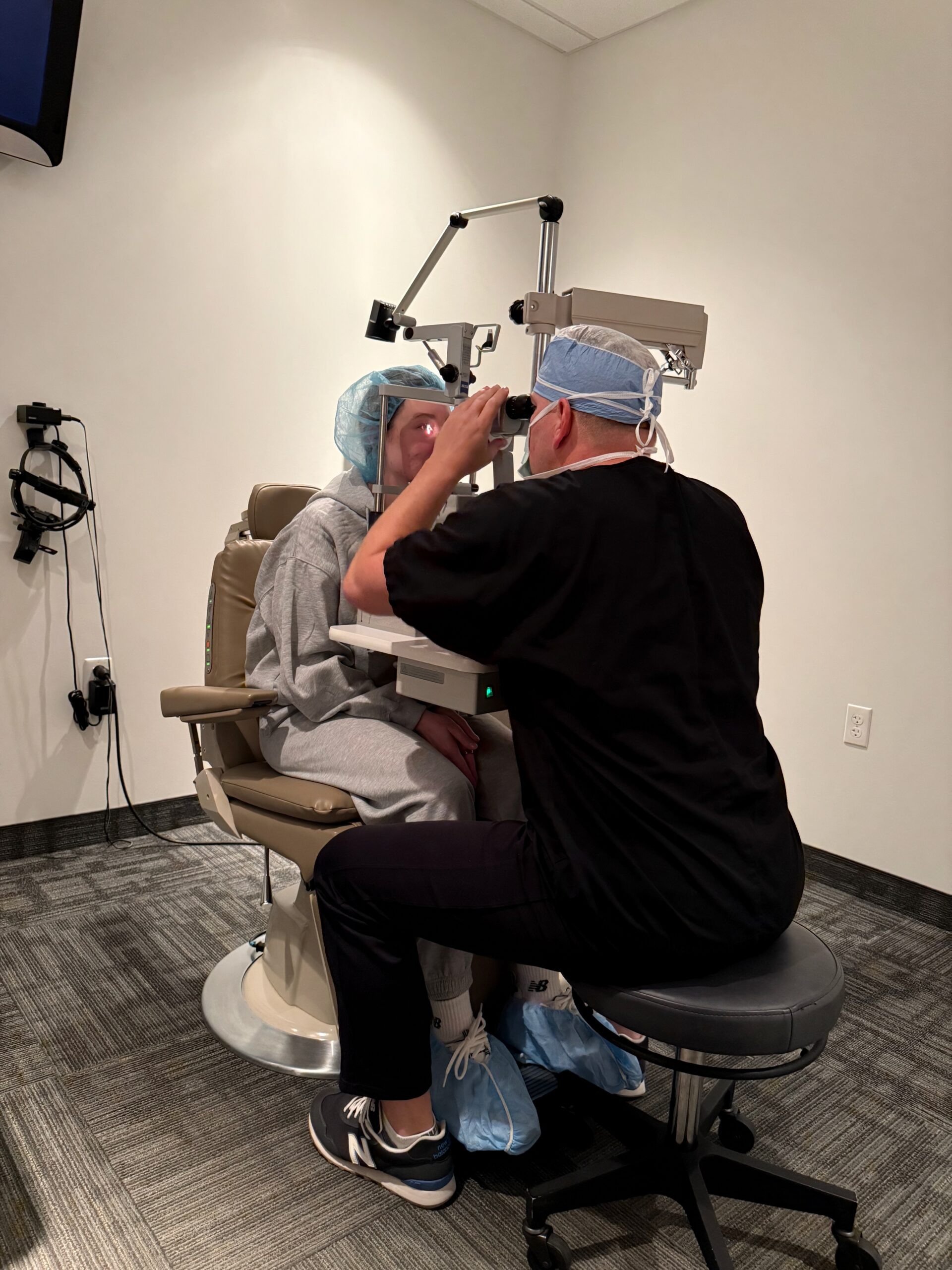
You'll have a thorough consultation with one of our experienced surgeons. They'll evaluate your eyes and explain the procedure, its benefits, and its risks, so you can make an informed decision.
-
Procedure day
Local anesthesia numbs your eye to keep you comfortable. Your surgeon makes a small incision in the cornea and inserts the Intacs implants. The procedure usually takes about 15 to 20 minutes, and you can go home shortly after.
-
Recovery
Recovery time is relatively short, and most patients return to their normal activities within a few days.
-
Follow-up care
Following your surgeon's post-operative instructions is essential for proper healing. We'll see you for follow-up visits to check your progress.
Why Choose Hoopes Vision
Experience you can count on.
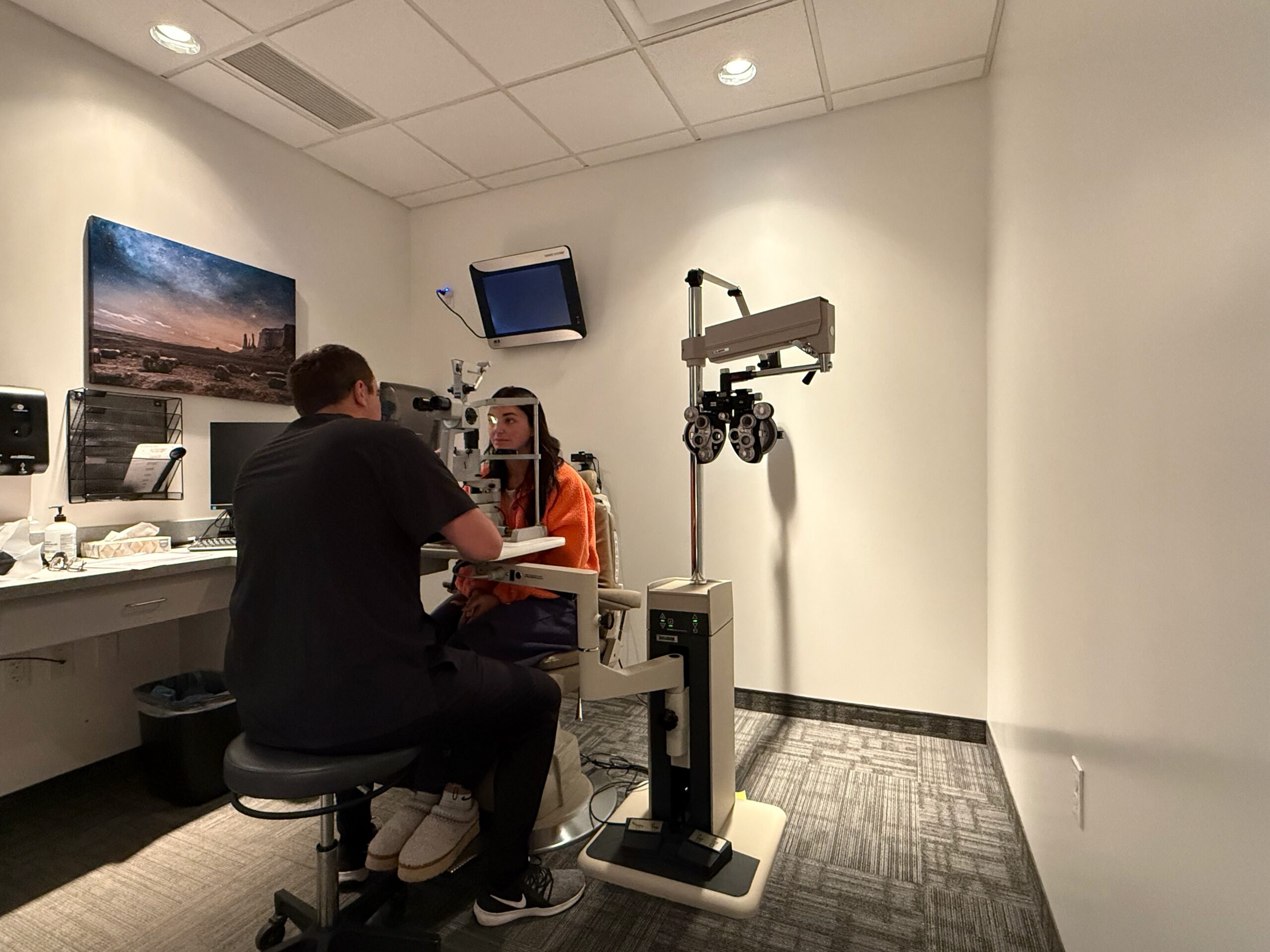
Our experienced surgeons have helped many patients with keratoconus and other corneal conditions achieve clearer vision. We combine advanced technology and proven techniques with care that's personalized to your eyes.
- Experienced corneal surgeons who treat keratoconus and corneal disorders
- Advanced diagnostic technology for precise corneal measurements
- A range of keratoconus options, so your plan fits your eyes
- Clear explanations of the benefits and risks before you decide
Frequently Asked Questions
Intacs questions, answered
What are Intacs?
Intacs are tiny, curved implants placed in the cornea. They help reshape the cornea to improve vision for patients with keratoconus and for some patients with mild to moderate nearsightedness or astigmatism.
Who is a good candidate for Intacs?
Intacs may be a good option if you've been diagnosed with keratoconus or another corneal disorder, especially if glasses or contacts no longer give you clear vision. The best way to know is a consultation, where your surgeon will evaluate your eyes and discuss your options.
Will I feel anything during the procedure?
Local anesthesia is used to numb your eye, so most patients are comfortable during the procedure. Your surgeon will explain what to expect and how to stay comfortable afterward.
How long does the procedure and recovery take?
The procedure usually takes about 15 to 20 minutes, and you can go home shortly after. Most patients return to their normal activities within a few days. Following your post-operative instructions is essential for proper healing.
Can Intacs delay a corneal transplant?
For many patients with keratoconus, Intacs can improve functional vision and may defer the need for a corneal transplant. Your surgeon will help you understand what to expect for your eyes.
Take the First Step
Find out if Intacs is right for you
We want you to make an informed decision that's right for you and your eyes. Schedule a consultation and we'll help you achieve clearer vision and a better quality of life.